
Compare adventure sports travel insurance
- We specialise, so you don't have to
- Cover for pre-existing medical conditions
- Call us if you get stuck


Key things to know about travel insurance for adventure sports
- Specialist Cover May Be Required: Standard policies typically only cover low-risk activities like swimming or tennis; high-adrenaline sports (e.g., scuba diving or skiing) can require specific activity-specific add-ons to manage higher risks.
- Key Policy Features: Effective adventure insurance should include high limits for Search and Rescue (SAR), cover for owned or hired equipment, medical repatriation, and personal liability for accidental injuries to others.
- Check Activity Tiers: Insurers use different "risk levels" to categorise sports. It is vital to check the Insurance Product Information Document (IPID) to make sure your specific activity, altitude, or diving depth falls within the covered tier.
- Avoid Common Pitfalls: To keep your policy valid, you must buy insurance at the time of booking, declare all pre-existing medical conditions, adhere to regional restrictions, and avoid claims involving alcohol or illegal drug use.
Adventure sports travel insurance: 6 tips to choose the right policy
Adventure sports such as white-water rafting or scuba diving can be unforgettable experiences. But the adrenaline spike has to be balanced with the logic of making sure you’re covered if you have an accident while doing one of these sports. If you don't have the right travel insurance, you could end up paying tens of thousands of pounds in medical costs yourself.
When it comes to adventure sports or high-risk activities, a standard policy is unlikely to provide enough cover. For you to have peace of mind, you’d need to have cover specifically designed for the unique, increased risks of these sports.
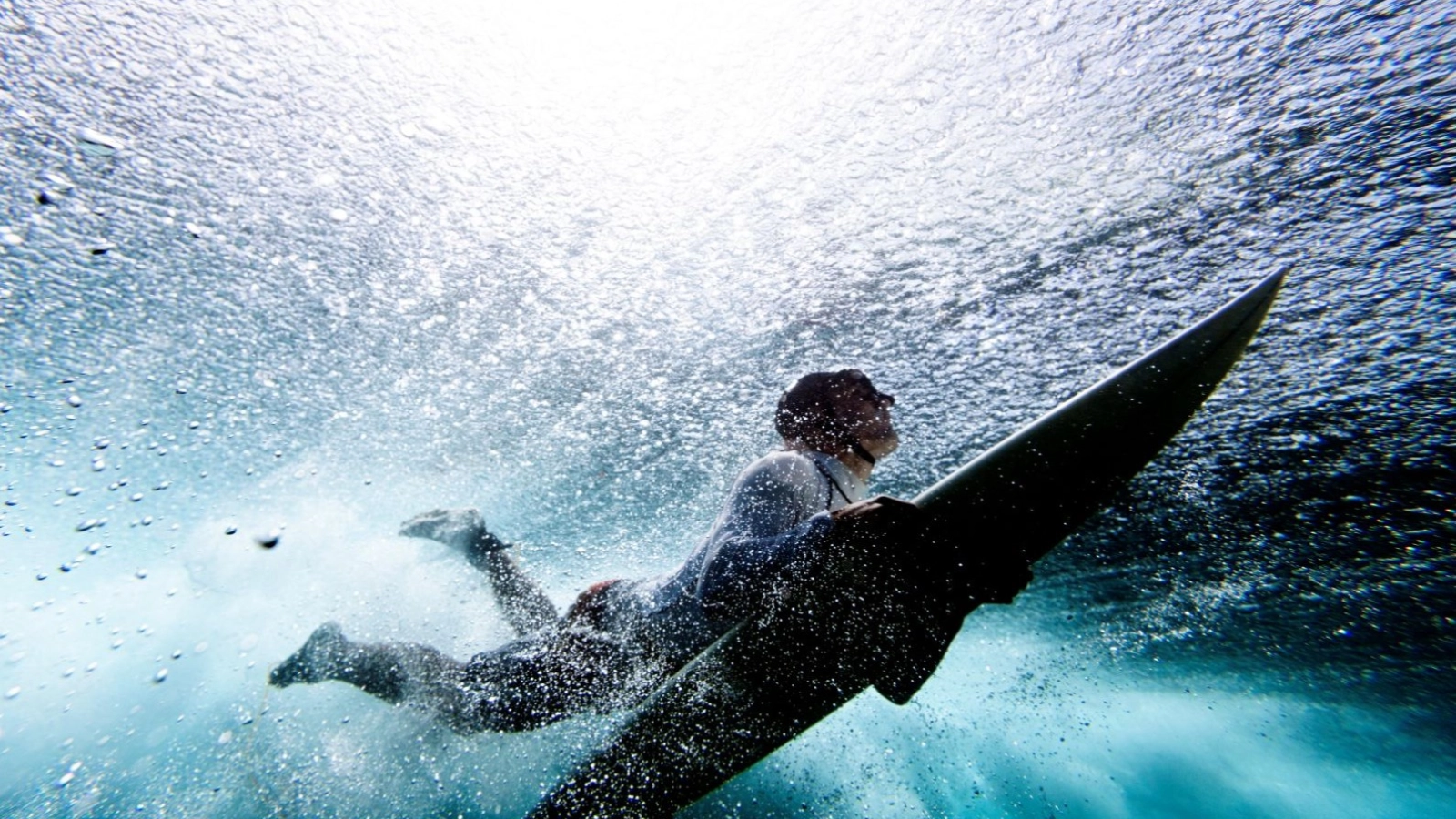
Why standard travel insurance often isn’t enough
The vast majority of standard policies generally exclude high-risk activities such as scuba diving, skiing, rock climbing, etc. They are usually only suitable for low-risk activities that the majority of people can do, e.g.,
- Walking
- Swimming in a swimming pool
- Playing football
- Playing tennis
- Pedal boating
- Zip lining
In order to get the appropriate cover for your chosen sport, you may need to look for and compare options for activity-specific add-ons. Think of these as specific parts of travel insurance that cover your sport; for example, a winter sports add-on will cover you for skiing and snowboarding. While a watersports add-on can cover you for deep-sea diving and white-water rafting. Before you do buy a specific policy, make sure you read your policy documents to understand what activities you are and aren’t covered for already.
Adventure sports travel: 6 things to remember
When you’re looking to get the right policy for your sports adventure trip, here are some things to look out for:
Search and Rescue Costs | Let’s say you got injured hiking at high altitude (above 2000m). The actual cost of an emergency crew getting to you and taking you to hospital can be a lot more than treating your injury. |
Equipment Protection | With a policy that is specifically designed to cover the risks of your chosen adventure sport, you can get the cost of your equipment, whether it’s owned or rented, covered. If your equipment were to be damaged, lost or stolen. |
Medical Repatriation | If you had to be medically repatriated from the Dolomites in Italy to the UK, it can cost a minimum of £14,0001. It is important to check that your policy limit is high enough to cover these sorts of costs. |
Personal Liability | In some sports such as rugby or football, there is a risk that you can injure other people accidentally, e.g., a bad tackle. To help avoid having to pay out a large sum of money to a person, you can get public liability cover. |
Altitude or Depth Limits | If you’re planning on climbing or diving, it’s important to check your depth and altitude limits to see if your policy covers them. |
Check Activity Cover Levels | Many insurers put adventure sports into specific categories according to their risk profile. The lower the risk level, the lower the category number; e.g., Level 1 is usually lower risk activities such as swimming in a swimming pool, running on the beach, etc. Different insurers often put the same sports in different categories. So it’s important to check your policy documents to see which category your sport is in. |
How to find a policy that adjusts to your needs
There is no objective ‘perfect policy'; it all depends on what your specific needs are. Below are some tips to help you find the right policy for your next trip.
- Single-Trip Cover vs Annual Multi-Trip Cover – If you’re planning to only take one trip this year, a single-trip policy is more likely to be suitable for you, as you only pay for one trip. But, if you want to go and see the Grand Canyon, Mount Fuji, and Uluru all in one year, an annual multi-trip policy could be better suited to you. One policy would cover all of your trips, which is likely to mean you pay less for cover per trip. You can also save time as you don’t have to buy a new policy for each trip.
- Only Pay for Your Plans – If you’re visiting Barcelona to lie on the beach and stroll along La Rambla, there isn’t much need to pay for winter sports cover. A standard policy is often enough for this sort of trip.
- Read the Fine Print – Every insurance provider will send you all the relevant policy documents related to your travel insurance policy. Everything you need to know about the policy will be in these documents. This is why it’s important to read this carefully and check if the things in this document are suited to your trip.

Discover specialist travel insurance cover
Common pitfalls to avoid
Below are some of the most common mistakes many people can make when buying travel insurance:
- Alcohol and drugs – Most policies will reject any claims if the reason the claim is being made is because of you being under the influence of illegal drugs or excessive alcohol.
- Not declaring pre-existing conditions – If you have any pre-existing conditions, such as diabetes or asthma, you must declare them during your medical screening. Even if it is well controlled and doesn’t affect your daily life, you must still declare it.
- Not checking regions for annual multi-trips – Many travel insurance policies only cover specific parts of the world. So it’s important that the region your policy covers matches your destination. A common mistake is assuming that 'Europe' means all of Europe. Some "Europe" policies include Turkey, Egypt, and Morocco; others don't. Always double-check that your specific destination is listed in the policy's geographic definition to avoid being left without cover.
- Waiting too long to buy travel insurance – Buying travel insurance as soon as you book your trip can help to cover the cost of your trip if you have to cancel it. Without travel insurance, you could lose out on hundreds of pounds in non-refundable costs.