
What you need to know about taking medication abroad
Learn how to travel safely with medication, from checking destination regulations and airline rules to managing time zone changes and storage.
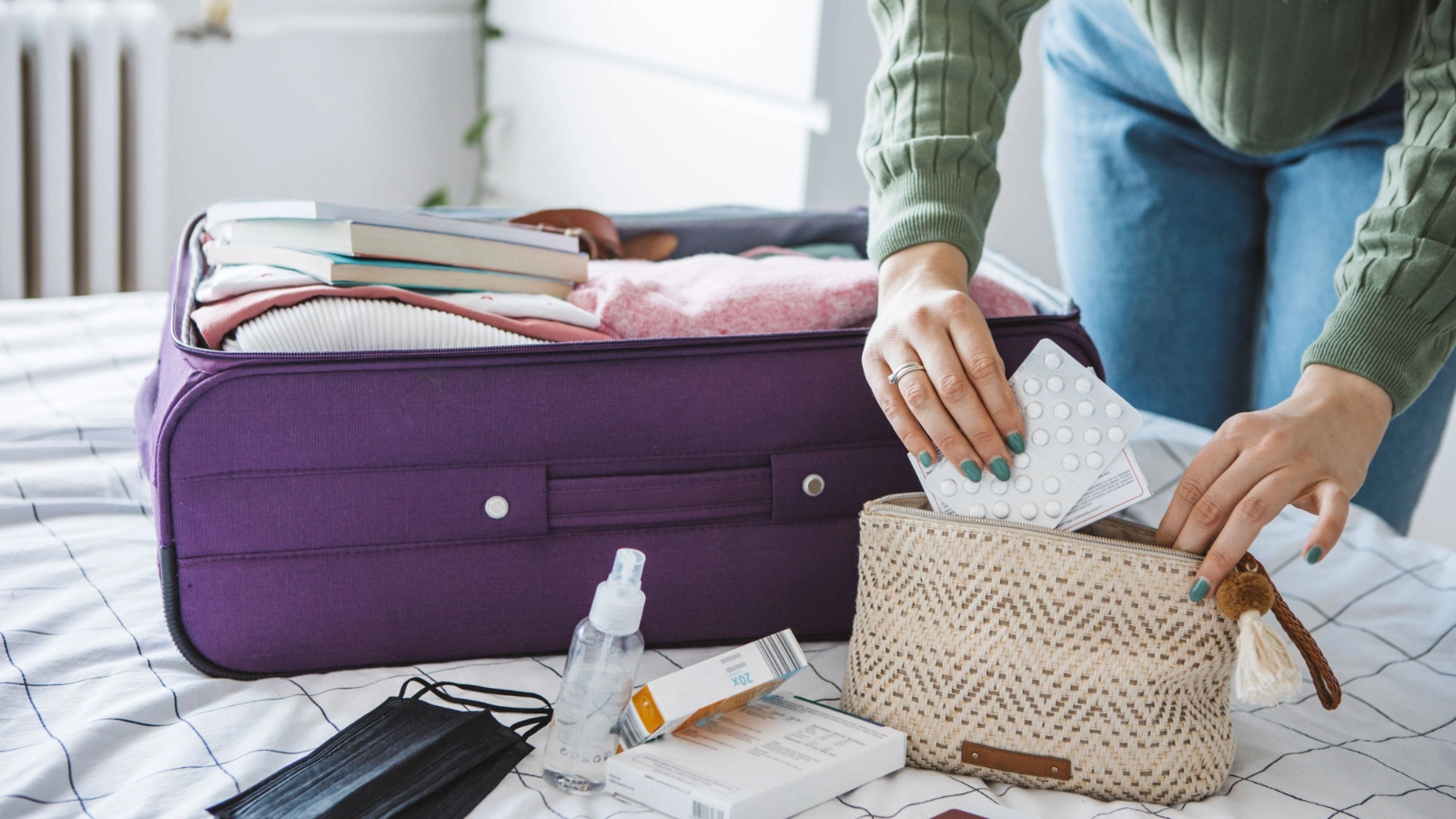
What you need to know about taking medication abroad
Are you thinking about a trip abroad but worried about taking your medication? Travelling with medication can be especially tricky when there's regulations and cultural differences. Don't let those obstacles stop you from crossing borders - with the right preparation, travelling with your medication doesn't have to derail your getaway.
Here are our top tips for travelling with medication, and what you need to know to think about before you jet off.
Before you set off, check you’re travelling with enough medication to last you for your whole trip. And in case of unexpected delays, it’s always safer to pack extra so you know you’re covered. If you don’t have any extra to spare, contact your GP or order a repeat prescription.
Different countries have different restrictions on medicine. Some need a letter from your doctor outlining your medication and dosages. Others have banned certain medicines altogether. Check the latest regulations of the country you’re travelling to, or passing through.
Where possible, always take your medication in hand luggage, in case your checked luggage gets lost. Taking medication on the plane is usually allowed, but check with the airline before you travel. Some airlines will let you bring more than your usual supply without needing to declare it.
If you can’t take your medication in hand luggage, or it’s classed as a controlled drug, you’ll need to have a signed and dated letter from your GP outlining your medication and the amounts. You’ll also need this if you use a needle for your medication.
5. Keep medicine in their original packaging
It’s best to keep your medications in their original packaging so that the label and dose information are visible. That way if you’re asked about your medication, you have all the information at hand.
Security regulations for hand luggage say you can’t take liquids or gels over 100ml in hand luggage. But if your medication is in liquid form or a prescribed gel, you should be able to take it with you if it's in a clear sealed bag. But you’ll need to have proof that your medication has been prescribed, such as a doctor’s note or a copy of your prescription.
It can be tricky to get prescription medication abroad, so it’s important to make sure yours doesn’t expire before the end of your trip.
Always carry a copy of your prescription in case your medication gets lost or stolen. This will also make it easier if you need to get more medicine abroad.
Make sure to check if the storage conditions for the medication must be refrigerated or kept somewhere cool and dry. If so, ask your doctor for advice on how to make sure it doesn’t spoil while you’re travelling. If your medication needs to be kept cold, check with the airline if it can still be carried in your hand luggage. Chances are, it’ll need to go in checked luggage.
Some people use the following to keep their medicines cold while they're travelling:
- A thermos flask
- Ice packs
- Cool bags
The right travel insurance can cover you if you lose or get your medication stolen during your travels. With the right insurance, you'll have peace of mind, knowing you're financially protected if you need to claim back the cost.
When planning a trip, it's always a good idea to research local pharmacies in the area you're visiting. If your medication is lost or stolen, you can feel peace of mind knowing you can get more.
12. Plan for changes in time zones
If you're travelling across time zones, it's important to adjust your medication schedule to make sure you’re taking it at the right time.
When you're travelling, it's important to explain your medication to the person you're travelling with, whether it's a friend, family member, or a partner. By sharing the details of your medication, such as the dosage, how often you take it, they can help you stay on schedule.