Most trusted travel insurance price comparison site on Trustpilot*

Most trusted travel insurance price comparison site on Trustpilot*

Cover for pre-existing medical conditions

Award-winning price comparison site, three years in a row**

Over 50,000 four and five star reviews on Trustpilot
There are two main benefits of travel insurance, cancellation cover and medical emergency cover. Before you buy a policy, it’s important to understand what you’re covered for.
Cancellation cover is designed to pay back any pre-paid expenses that would be lost if you’re forced to cancel your holiday before you travel.
It’s important to make sure that you choose a policy with enough cancellation cover for the costs you would need to claim for.
If you have a medical emergency while you’re away, your travel insurance is designed to pay for the costs of this. You may have to pay an excess contribution to the total costs or you can choose a ‘nil excess’ option if you wish.
Treatment in a private hospital or clinic abroad is not usually covered if a suitable public or state facility is available.
All policies will cover the cost of bringing you back to the UK (repatriation) if this is recommended.
Some policies will offer cover if you need emergency dental treatment for the immediate relief of pain.
It’s easy to get a quote online for a Single Trip or an Annual Multi-Trip policy, or you can speak to one of our friendly experts over the phone. This will show you all the quotes available from our large selection of trusted insurers.
Each quote will show how much is covered on each policy for cancellation, medical emergency, and lost or damaged baggage, so you can choose the policy that’s right for you.
If you’re holiday includes a cruise or winter sports, you can add these onto the policy too.
PayingTooMuch meets the eligibility requirements for inclusion on the Money Helper travel insurance directory, which the FCA has confirmed meets its criteria for a 'medical cover firm directory'. The Money Helper customer contact centre freephone number is 0800 138 7777.
Summer is just around the corner, which means many of you will be planning your next warm-weather adventure. Some go for beaches and others go for cul...
According to our latest research, half (50%) of surveyed winter sports fans in the UK plan to go on a snow sports holiday this year. So we spoke to ov...
When you think of cruises, you might think of country-hopping on a luxury ship. But with a 24% rise in global searches for themed cruises, now you can...
With 2024 having the lowest number of bank holidays since 2020, we've worked out how you can make the most of your annual leave next year. Being strat...
With thousands of ski resorts scattered across the world, the choice of where to spend your winter holiday can be a daunting one. Our latest research ...
There can be a lot to think about when you're comparing travel insurance. From what type of policy to buy to what level of medical cover you'll need. ...
When budgeting for your dream holiday, the cost of travel insurance is important to think about. It’s an additional price to pay, but it could save yo...
A marriage proposal is one of the most important milestones in your relationship. Some make the occasion special with big gestures, while others choos...
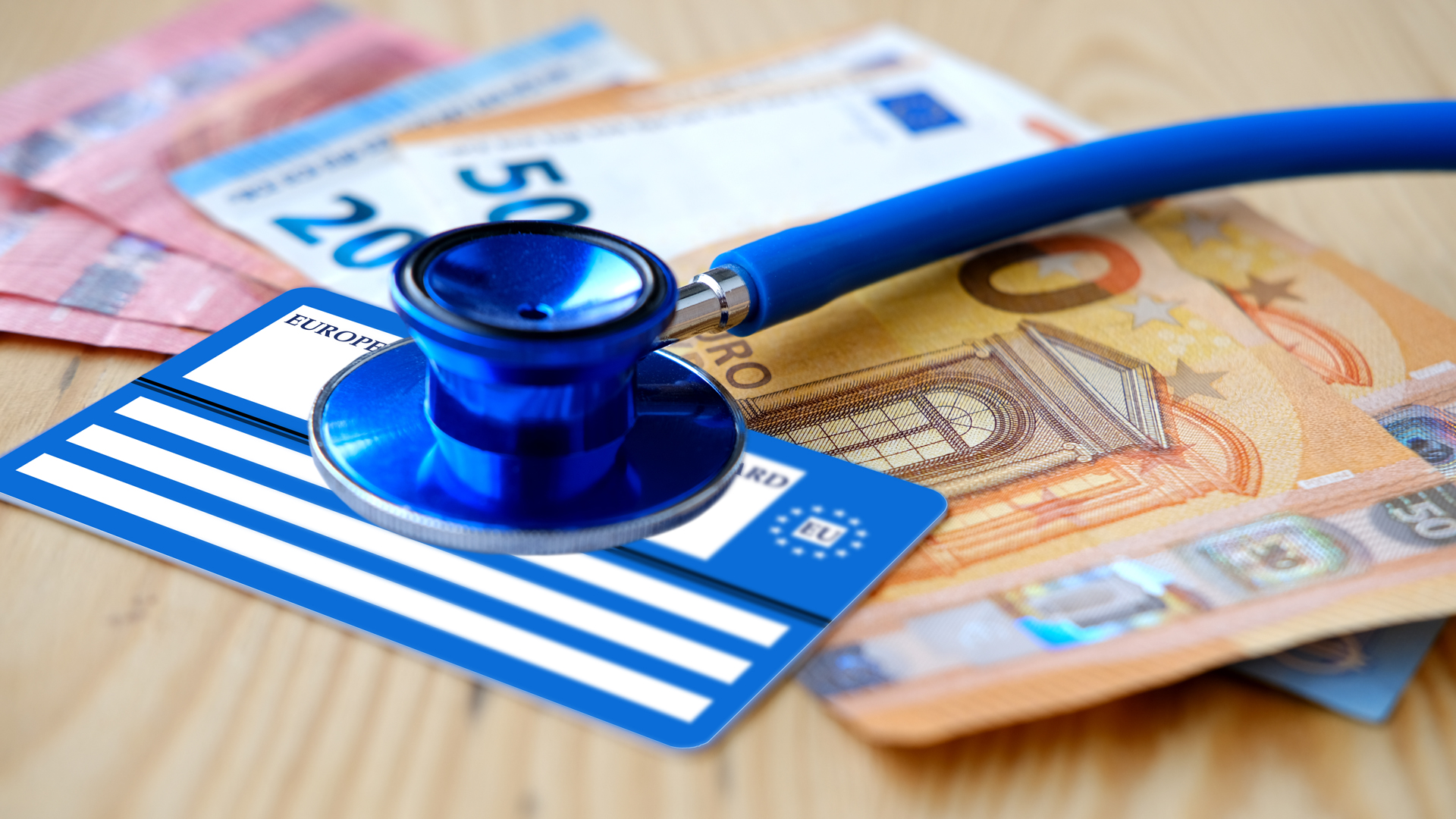
The Global Health Insurance Card (GHIC) gives people who live in the UK access to state-supplied emergency healthcare in EU countries, at a discounted...
Whether holiday-makers are heading off in search of some much-needed sun, or hitting the slopes on a snowy mountain, the UK’s airports see huge amount...
Yes, as your GHIC/EHIC card won’t cover you for other areas such as lost luggage, broken valuables, and cancelling your holiday.
GHIC/EHIC cards are helpful for some medical treatment abroad, but they don’t offer the same level of protection as travel insurance. If you needed to be flown back for specialist treatment, your GHIC/EHIC card wouldn’t cover the cost of this.
There are some restrictions on which countries you can use your GHIC or EHIC card. A GHIC card covers all 27 EU countries plus Switzerland and Montenegro. If you have a valid EHIC card, this covers all 27 EU countries, plus Montenegro, Norway, Iceland, Liechtenstein and Switzerland.
If you need to make a claim on your travel insurance, here’s what you need to do for the best chance to get your claim accepted:
- Keep your policy documents to hand, including your policy number. This makes it much easier when contacting your insurer so they can find your details quickly.
- Contact the local police or relevant authorities if it is related to a crime, so you can get an official report of the incident.
- Get hold of your insurer as soon as possible. This way you can find out if they can confirm whether they’ll cover you for treatment you need before you go ahead with it. In some cases you might have to pay upfront and claim the cost back when you’re home.
- Keep any evidence you have so that you can use them to support your claim, such as medical reports, police reports or receipts.
Travel insurance is a good idea for any staycations, or holidays in the UK. While the NHS will cover medical treatment, your travel insurance covers you against other areas such as cancellations.
Most policies will cover UK trips, but conditions will apply. This could include a minimum number of days and the distance from your home. You can check your policy documents for more details.
An excess is the amount you pay when you make a claim on your travel insurance. If you had an excess of £150 and you claimed on your insurance for £500, then the amount your insurer would pay out would be £350. This varies by providers, so always check your policy.
It’s a good idea to take out travel insurance as soon as you book your holiday. This means that you’ll be protected for anything that could happen before you go away, such as flight delays or if you have to cancel your holiday.
If you tell us about your medical condition when applying for your policy, you’ll only see travel insurance policies that can cover your medical conditions.
Pregnancy isn’t classed as a pre-existing medical condition so you should be able to get travel insurance like you normally would. If you have any conditions related to your pregnancy, such as gestational diabetes, then it’s important to tell us. This way you’ll get the right cover in case of any unexpected medical treatment you might need on your holiday.
Many travel insurers can allow you to extend your travel insurance if your holiday lasts longer than expected. But you’ll need to speak to your insurer who will let you know if it’s possible to extend your travel insurance.
It’s important you tell your provider when you want to change your travel insurance dates before extending your holiday. Providers will still have individual trip limits and will likely ask for additional payments to cover your extended duration.
As long as you’re not going to a country that the FCDO advise against travelling to, all of our policies should offer cover for COVID-19. This typically includes:
- Being diagnosed with COVID-19 before departure
- Denied boarding
- Close family relatives or those you live with getting COVID-19
- Family deaths or hospitalisations resulting in ventilation with COVID-19
- Being told to self-isolate (at home and abroad)